
Myths and legends about huge creatures or people with some singularities have always been around in many societies, so any trace or presence of something similar to a giant, goblin or fairy will be the subject of investigation and comments.
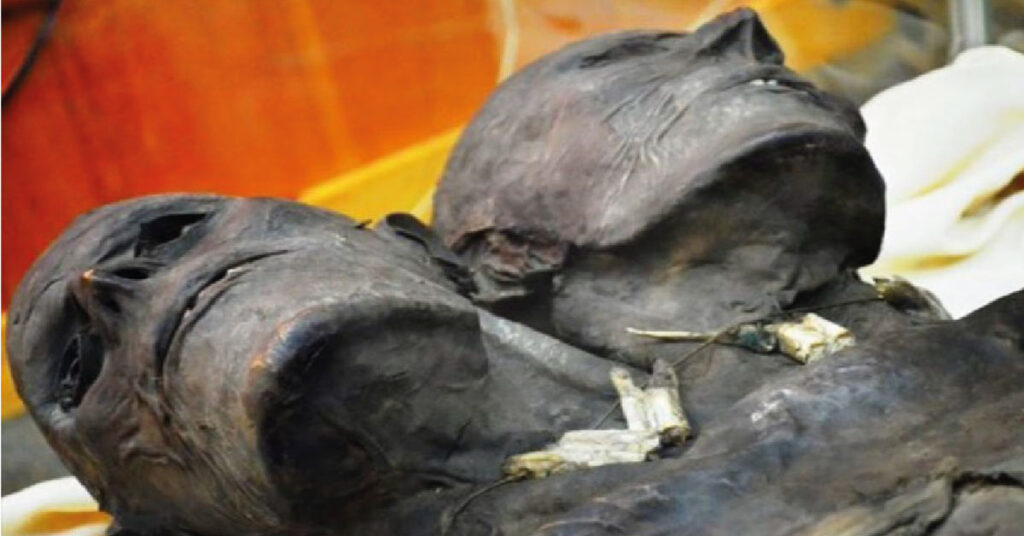
In a small museum in Baltimore, United States, the mummified remains of a giant of 3 meters and 66 centimeters with two heads are preserved, they assure that its origin is South American, specifically from Patagonia.
In order to understand the discovery, its necessary to go back to the past with the expeditions of the Portuguese Fernando de Magallanes when he first arrived at the Patagonian coast between 1510 and 1520, his intention was to find a passage between the Atlantic and Pacific, which he found and now bears his name.

His adventure would not end there and he come across with a naked giant dancing and singing on the shore, as a sign of good faith, Magallanes asked the sailors to greet him.
Antonio Pigarreta, kept a diary of the trip that he would later publish under the title of Magellan’s Voyage: A Narrative Account of the First Circumnavigation.
“We saw near the beach (in Tierra del Fuego) a man who was so big that our head barely reached his waist”. They called them “Patagones”, some historians assure that the name Patagonia comes from the excessive size of his feet.
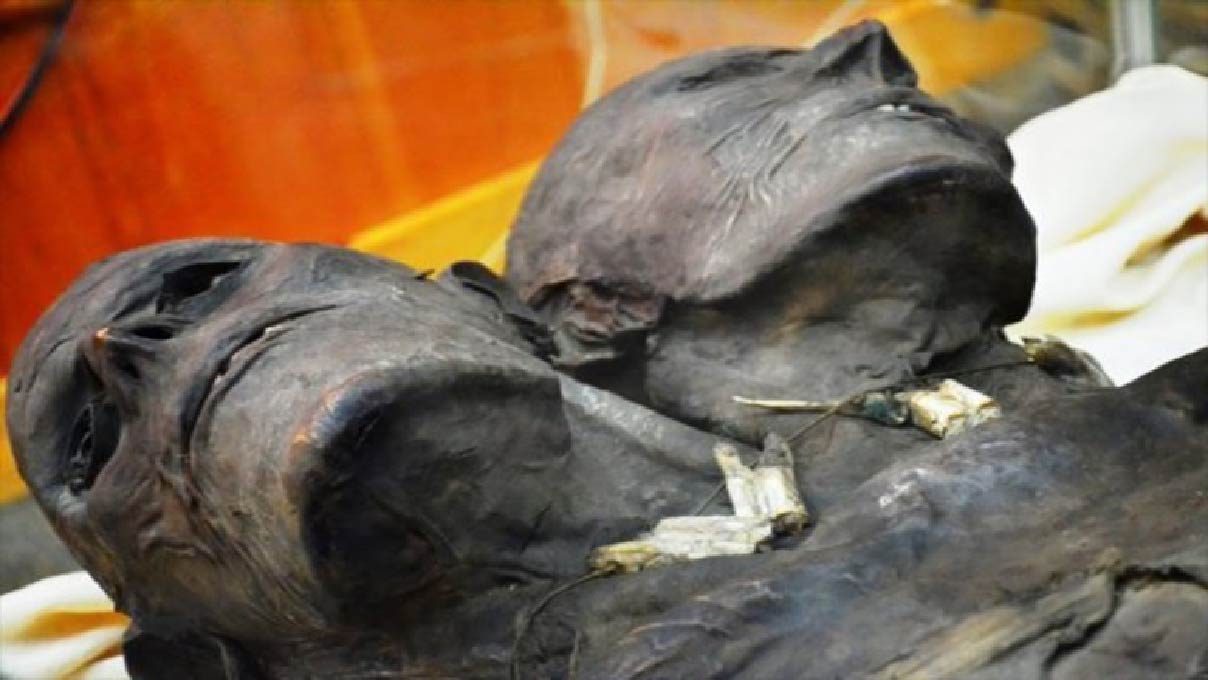
Magallanes also found a very interesting town that supported the story of the giants, the Tehuelches, who were people of great size. During his stay on the small island, the navigator made his crew treat the locals with kindness in order to gain their trust.
The true intention of Magallanes was to k1dnap two giants and take them to Spain and show his discovery to world. To do so, he gave them all kinds of objects to attract them.
But this was for a cunning trick, because otherwise [the giants] would have annoyed some of our men.
However, the giants did not survive the long journey and only the stories and the name of the land of giants, Patagonia, arrived in Spain. Some people argue that Magallanes took his name from a popular novel of the time, Primaleón, which just so happened to have a race of Patagonians who were wild people.
The existence of the giants is unclear, but supposedly one of them was called Kap Dwa, a big guy over 3.66 meters tall and with two heads, captured in 1673 by another Spanish expedition.
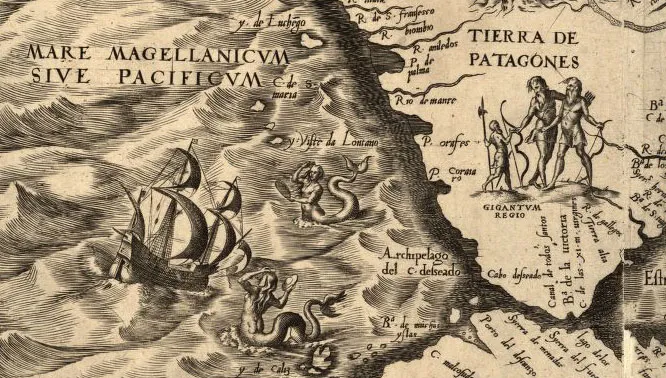
The navigators treated him very badly, they beat him constantly and ended up wounding him with a sp3ar in the chest, the seriousness of his condition caused him to be unable to recover.
There is not much information about the following events, some said that his remains were mummified and taken to England in the 19th century and he was presented as a circus attraction.
For almost 45 years, it was shown in these types of events until in 1959, Thomas Howard acquired it and after several owners, it ended up in Baltimore, United States as the property of Robert Gerber and his wife.
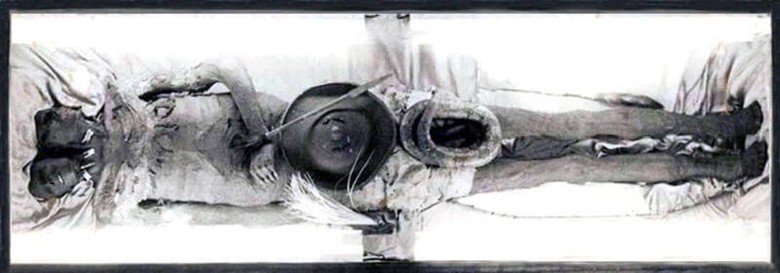
It can still be found in the rarity collection at The Antique Man Ltd, Gerber’s version differs greatly from the previous one, according to him the body of the only Homo giganticus was found on the beach with a spear stuck in it and his body was mummified to be adored by the locals.
Speaking of possible facts, it is highly unlikely that Kap Dwa ever existed or at least measured almost 4 meters; at the time, the tallest man on earth officially recorded was Robert Wadlow (1918-1940) who measured 2.72 meters.
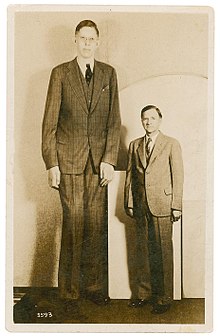
In relation to its two heads, it may have been an anomaly similar to the cases of siamese twins, which were not very uncommon in those days.
In the Vatican Codex A can be found information about giants. This manuscript is the 16th century Italian translation of a very old document during the Spanish colony.

In the writing, you can see a very clear illustration of Aztec warriors fighting against a gigantic man.
Quinametzin was the name by which he was known back then and it certainly leaves many questions about his presence in the world.